The sector
Automotive and mobility · Founders’ track record · MINI Cooper · 2023
MINI · Mobility ecosystem strategy beyond ownership
A strategy for a brand which sells cars in a market moving to services. Research across three regions, four pillars, and a route past car retailing.
1,000+ research participants3 markets4 strategic pillars
One modelAdapted, never three
DACHUKUS
01Comfort and ease
02Lifestyle integration
03Personalization and identity
04Ecosystem expansion
AdaptedDACH: co-leasing leads, regulation first.UK: subscription leads, city habit first.US: the EV corridor leads, range first.
A car brand in a market which is quietly leaving car ownership.
Car-sharing, subscription, and co-leasing changed what a customer expects to buy. MINI holds a brand people feel strongly about and a business model built for a single transaction.
The question was not whether to add services. It was what MINI becomes when the car stops being the whole of the relationship, and how that answer holds in DACH, the UK, and the US at the same time.
Global ethnographic and quantitative research, over 1,000 participants.
Fieldwork ran across all three regions, on how people actually move rather than how they say they would like to. Car-sharing, subscription, and co-leasing were examined as market drivers rather than as features to bolt on.
The differences sat in regulation and culture, not in appetite.
The appetite for services held in every region. What moved per market was law and habit: what sharing is allowed to be, and what a car is allowed to mean. One model, adapted per market, could hold all three.
One model, adapted, never three.
Reposition around the ecosystem, not the transaction.
The bet: treat ownership as one lifestyle ecosystem among several ways in, carry the brand across services with four pillars, and adapt each framework per market for regulation and culture. Loyalty is held between purchases, where the market actually lives.
A brand which shows up between purchases.
The defined future keeps the relationship running after the showroom: identity carried across services, the brand present in the day rather than only in the drive, and a route into the electrified, connected market entered by plan rather than by leap. The car remains the icon. It stops being the whole story.
Four pillars, and a roadmap which survives contact with a region.
Comfort and ease. Lifestyle integration. Personalization and identity. Ecosystem expansion. Each pillar carries its own frameworks for co-branding partnerships, EV infrastructure, and digital engagement, adapted per market for cultural and regulatory relevance.
The strategic move is a repositioning: ownership treated as a lifestyle ecosystem, with digital-first engagement designed to hold loyalty between purchases rather than only at one.
Comfort and ease
Mobility which asks less of the person using it.
Lifestyle integration
The brand present in the day, not only in the drive.
Personalization
Identity carried across services, not reset per product.
Ecosystem expansion
Co-branding, EV infrastructure, and digital engagement, per market.
1,000+ participants
Three regions researched on how people actually move.
Repositioning
Ownership as a lifestyle ecosystem, loyalty held between purchases.
A brand positioned for the market after the showroom.
1,000+
participants in global ethnographic and quantitative research
3
markets, with the frameworks adapted to each
4
strategic pillars, each carrying its own frameworks
This is strategy work, and strategy is judged on what it lets an organization do next, not on a conversion rate. What it produced was a roadmap repositioning MINI as an ecosystem of experiences rather than a manufacturer, with digital engagement systems for personalization and loyalty, and a defensible route into an electrified, connected mobility future. The commercial outcomes belong to MINI and are theirs to report.
Record. MINI Cooper, Munich.
Work led by Formist’s founders in prior practice.
Discipline. Mobility strategy · ecosystem design · consumer research.
The point. The first question was not what to design. It was what MINI should sell. Direction before form, at the scale of a business model.

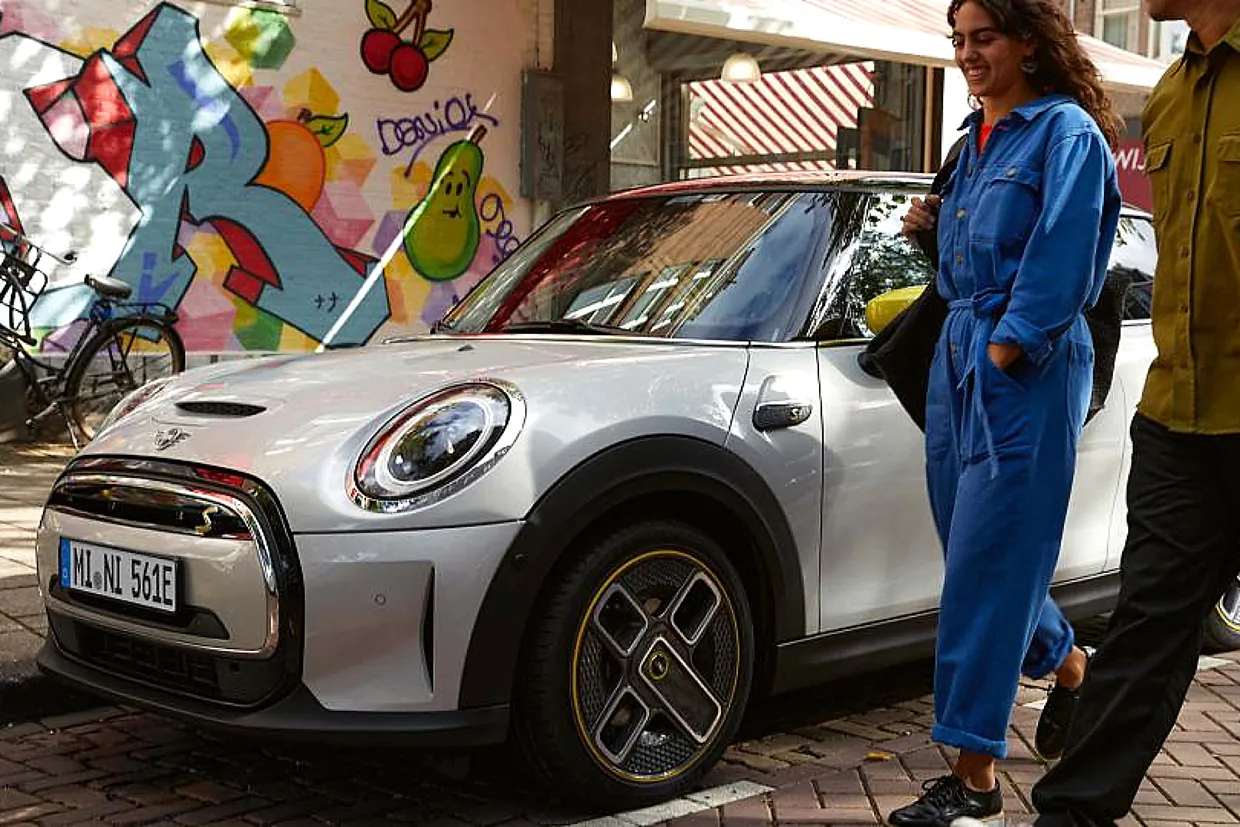
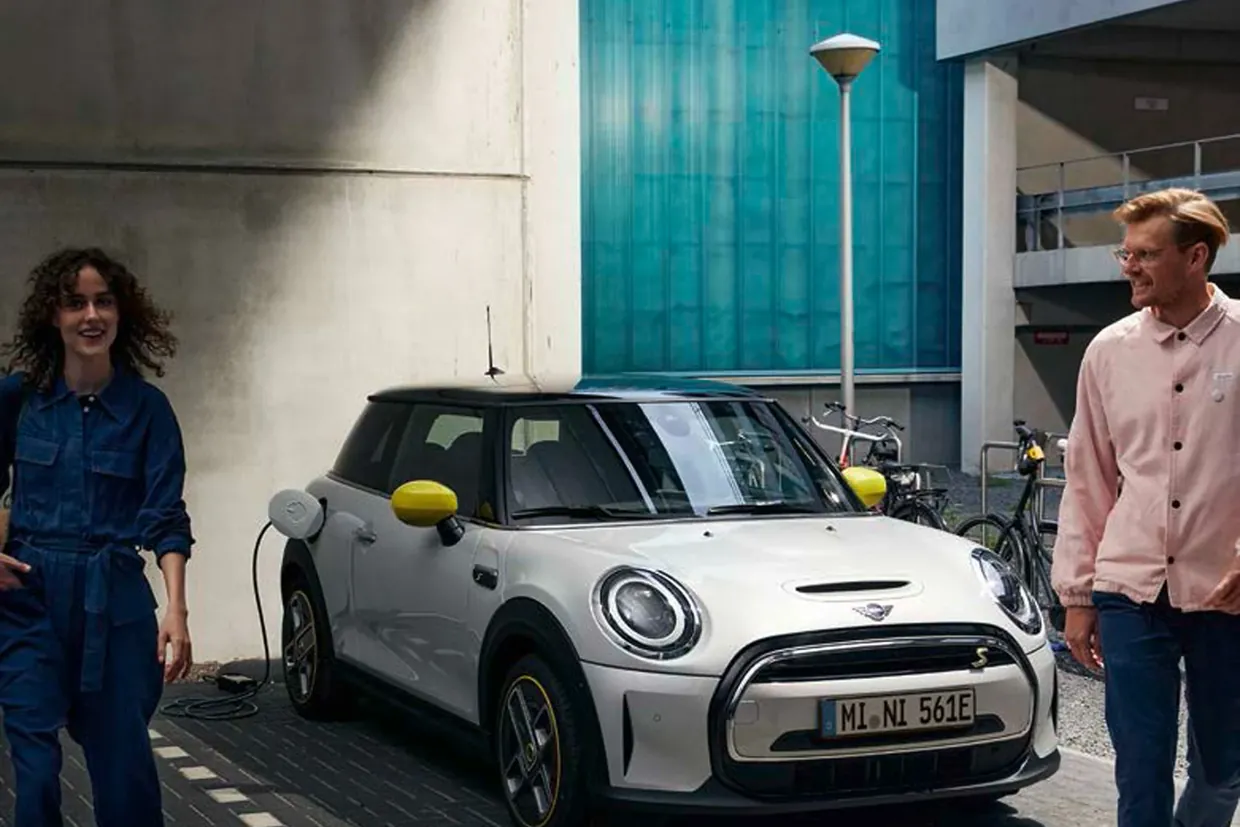
The future of mobility is a relationship, not a transaction.
Bring the ambition. Start a conversation.